
+1 (929) 636-9020info@nytcc.net
Logo

Our Blog & News

Stay up to date with the latest industry trends, certification guides, and success stories.

August 14, 2026Admin

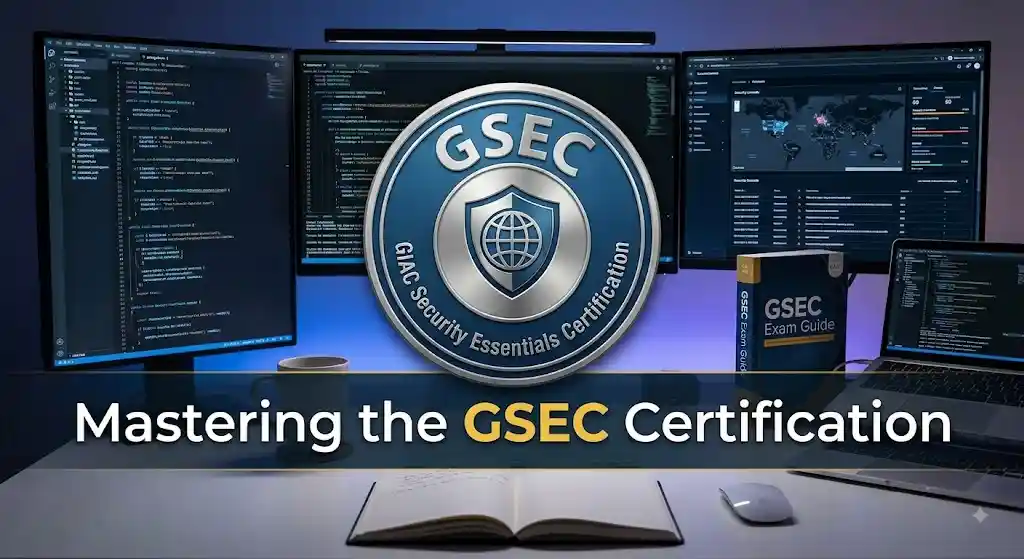
Mastering the GSEC Certification: Exam Structure, Syllabus, and Open-Book Indexing Strategy

The GSEC Certification (GIAC Security Essentials) is an enterprise-grade cybersecurity credential administered by GIAC that validates hands-on technical capabilities beyond simple security terminology. Covering active defense, cryptography, incident response, network architecture, and system hardening across Windows and Linux, the exam features 106 questions (including CyberLive hands-on virtual machine challenges) over a 4-hour time limit.
August 11, 2026Admin

Mastering the ACP Certification: Ultimate Guide to Eligibility, Exam Syllabus, Costs, and Career Growth

The ACP Certification (PMI-ACP®), issued by the Project Management Institute, is a globally recognized credential validating expertise across multiple Agile methodologies, including Scrum, Kanban, Lean, and Extreme Programming (XP). To earn the PMI-ACP, candidates must meet specific project experience prerequisites, complete 21 contact hours of Agile training, and pass a 120-question situational examination.
August 10, 2026Admin

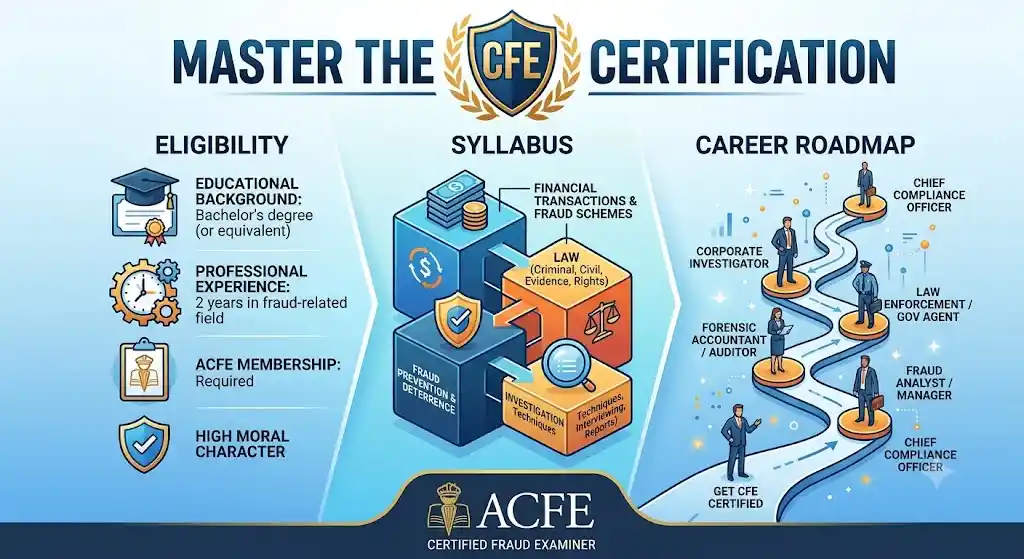
Master the CFE Certification: Eligibility, Syllabus & Career Roadmap

The CFE Certification (Certified Fraud Examiner) is a globally recognized credential awarded by the Association of Certified Fraud Examiners (ACFE). It validates elite expertise in fraud prevention, detection, and deterrence. To earn the CFE, candidates must meet a 40-point eligibility threshold based on education and professional experience, pass a rigorous four-part examination, and commit to strict ethical standards.
August 8, 2026Admin

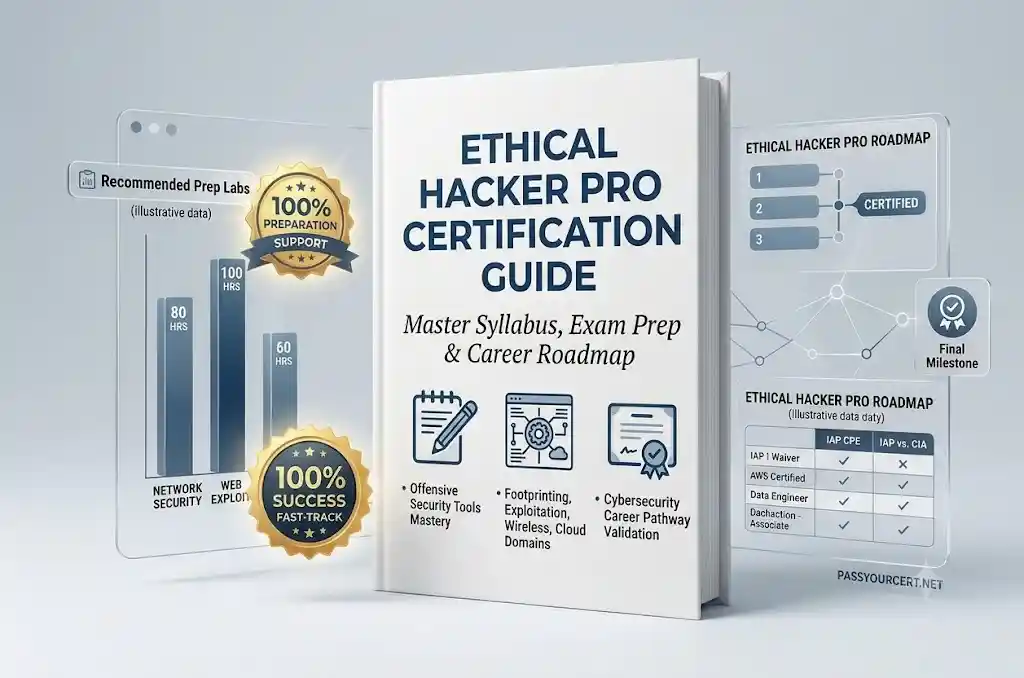
Master the Ethical Hacker Pro Certification: Syllabus, Prep & Career Roadmap

The Ethical Hacker Pro Certification is an advanced practitioner credential that validates an IT professional's ability to identify, exploit, and remediate system vulnerabilities through offensive security techniques. The program assesses proficiency across network penetration testing, web application exploits, wireless security, and threat vectors. Attaining this Ethical Hacker Pro Certification proves hands-on competence in offensive defense strategies, establishing candidates as qualified penetration testers, vulnerability analysts, and cybersecurity specialists capable of safeguarding critical enterprise infrastructure against sophisticated cyber threats.
August 7, 2026Admin

Ultimate Guide to IAP Certification: Syllabus, Eligibility & Career Fast-Track

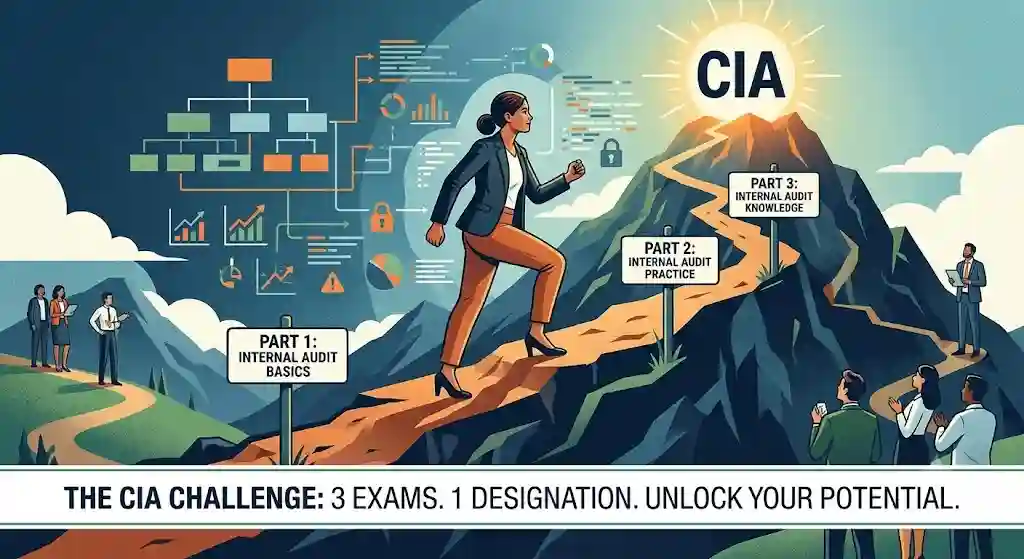
The IAP Certification (Internal Audit Practitioner) is an entry-level credential administered by The Institute of Internal Auditors (IIA) that validates foundational audit, risk, and control competencies. It requires passing a 125-question multiple-choice exam covering IPPF standards, audit execution, and business controls.
August 5, 2026Admin

ISACA ITCA Exam Breakdown: Domains, Passing Score, and Practice Strategy

The ITCA Certification (Information Technology Certified Associate) is an entry-level ISACA certification designed to validate foundational technical competencies across five critical IT domains. Requiring zero prior professional experience, candidates earn ITCA stackable certificates by passing five modular exams featuring interactive performance-based labs.
August 1, 2026Admin

The Elite Standard: Mastering the PBA Certification for Business Analysts

The PBA Certification is a globally recognized credential from the Project Management Institute (PMI) that validates a professional’s expertise in requirements management, business analysis, and project strategy. To earn this credential, candidates must meet strict education and experience prerequisites, complete 35 contact hours of formal education, and pass a rigorous 200-question exam.
July 27, 2026Admin

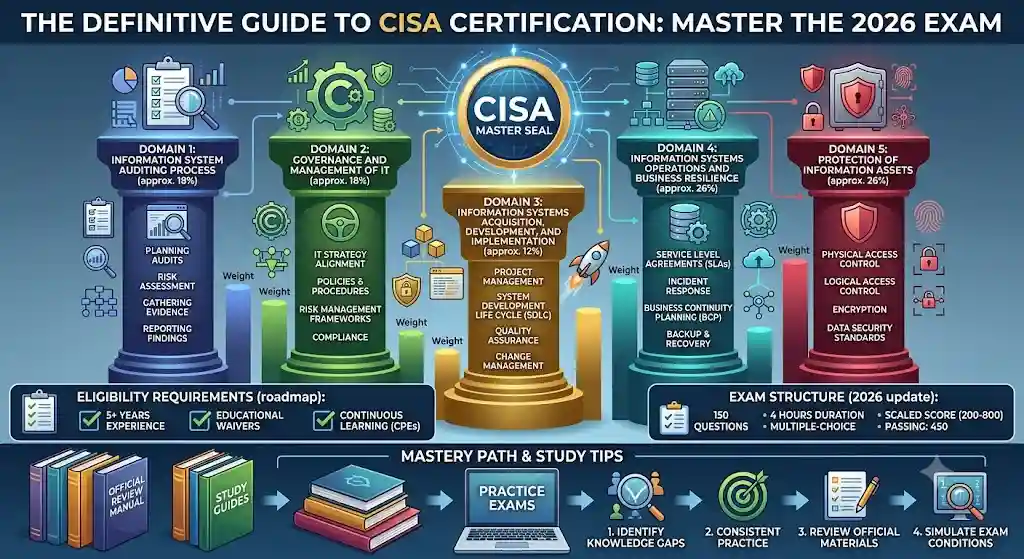
The Definitive Guide to the CISA Certification: Master the 2026 Exam

The CISA Certification (Certified Information Systems Auditor) by ISACA is the premier global credential for IT audit, control, and security professionals. Earning this designation requires passing a 150-question, four-hour exam, fulfilling five years of relevant professional experience, and paying the $575 to $760 exam fee. Certified professionals objectively evaluate complex enterprise IT architectures, ensure strict regulatory compliance, and mitigate operational risks. Professionals holding this credential command average salaries exceeding $110,000 annually, making it the gold standard for corporate governance worldwide.
July 24, 2026Admin

CRMA Certification vs CIPP Certification: The Definitive Privacy & Risk Guide

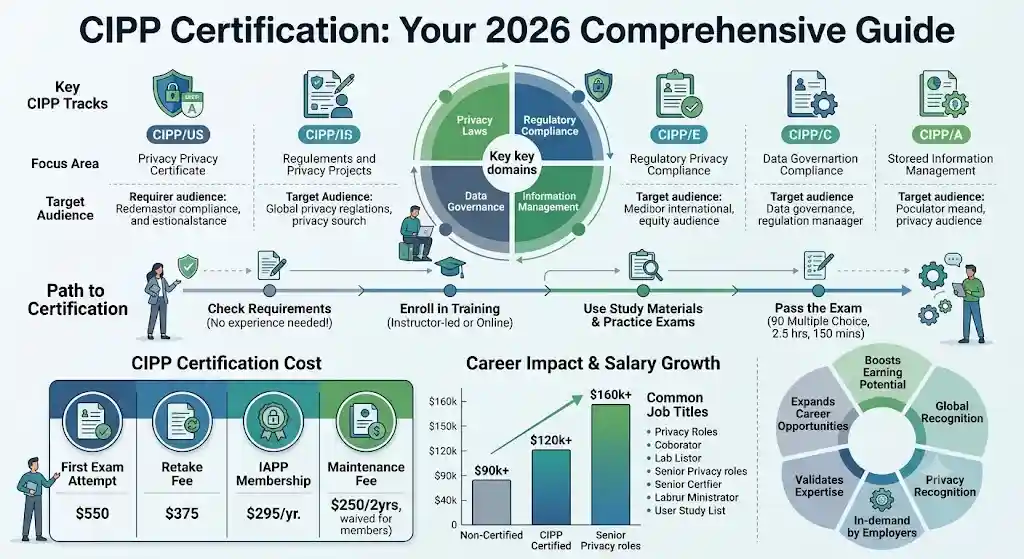
The CRMA certification (Certification in Risk Management Assurance) validates an professional's ability to evaluate risk governance and internal control frameworks. However, modern risk strategies increasingly intersect with data privacy, where credentials like the CIPP certification (Certified Information Privacy Professional) become essential. While CRMA focuses on corporate auditing and risk assurance, earning a CIPP credential proves technical fluency in privacy laws, data governance, and regulatory compliance—making both certifications vital pillars for comprehensive organizational risk management in highly regulated sectors.
June 26, 2026Admin

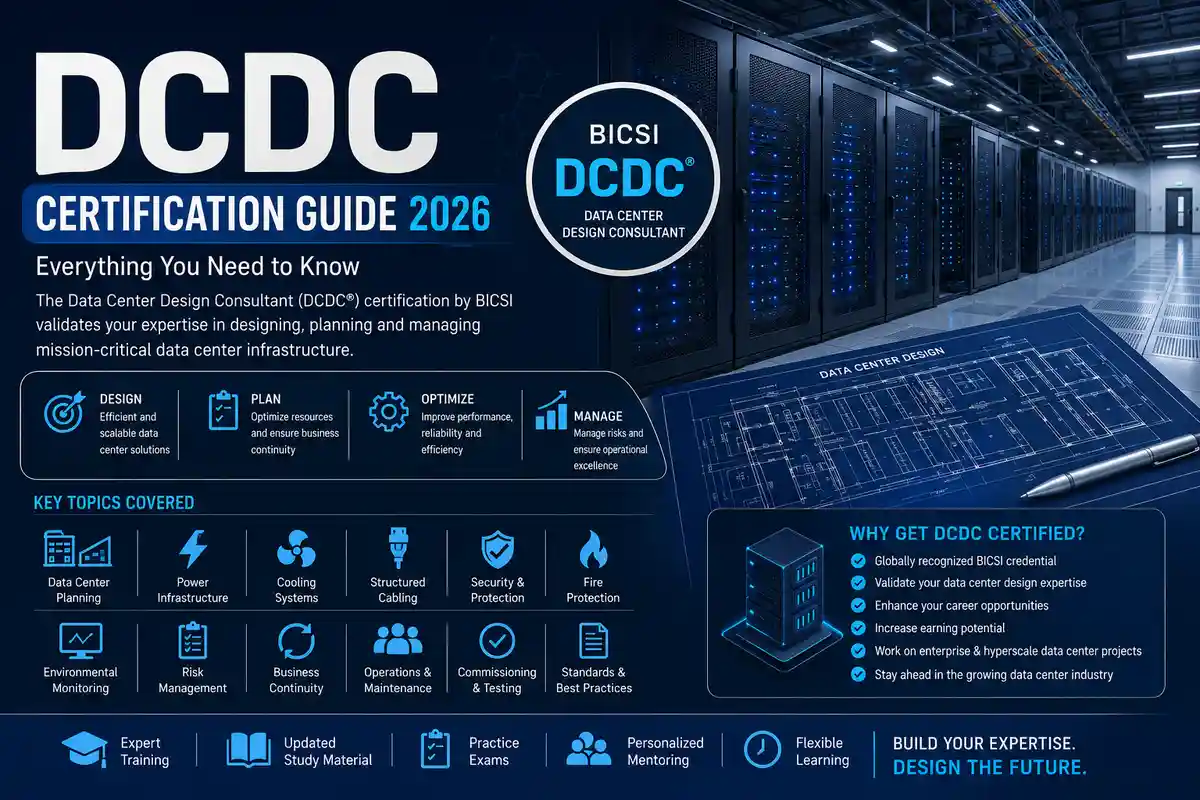
DCDC Certification Guide 2026: Everything You Need to Know

As businesses continue to expand their digital infrastructure, data centers have become the backbone of cloud computing, artificial intelligence, enterprise IT, and global communications. Designing these mission-critical facilities requires specialized knowledge, and that's where the Data Center Design Consultant (DCDC®) certification comes in.
June 23, 2026Admin

RCDD Certification Guide 2026: Requirements, Exam Details, Benefits & Career Opportunities

The RCDD (Registered Communications Distribution Designer) certification is one of the most respected credentials in the Information and Communications Technology (ICT) industry. Offered by BICSI, this certification validates a professional's ability to design, integrate, and implement telecommunications and network infrastructure systems. It is recognized globally and often required for large-scale enterprise, government, healthcare, and data center projects.